
About RattanVibe
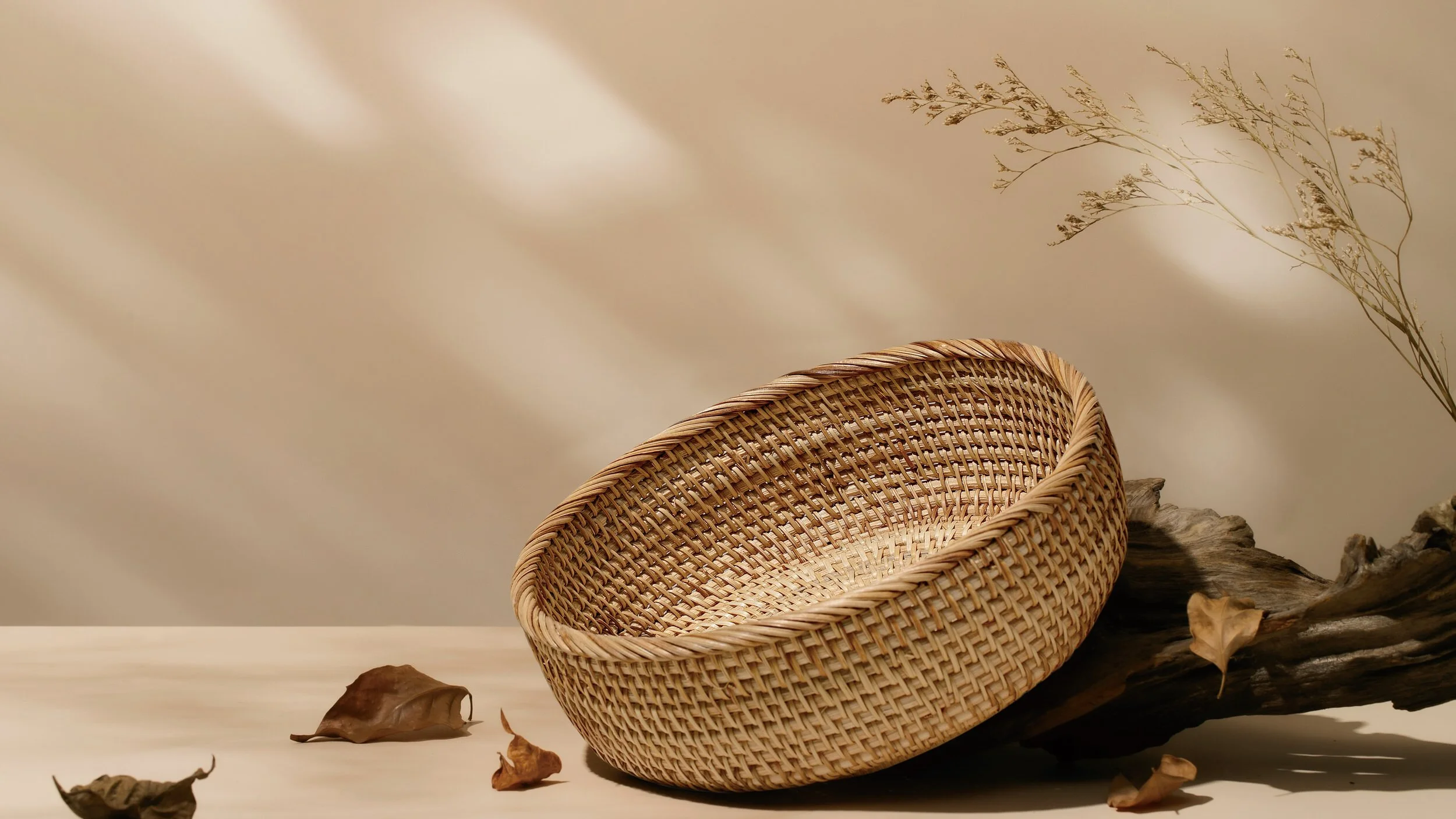
RattanVibe is inspired by the fresh, calming feeling that only natural materials and handmade artistry can bring.
We carry that inspiration into our baking tools and home decor, creating pieces that are both practical and beautiful.
Whether you are enjoying the ease they bring to your baking routine or the warmth they add to your living space, RattanVibe is here to offer a thoughtful and lasting experience.
Why We Use Rattan
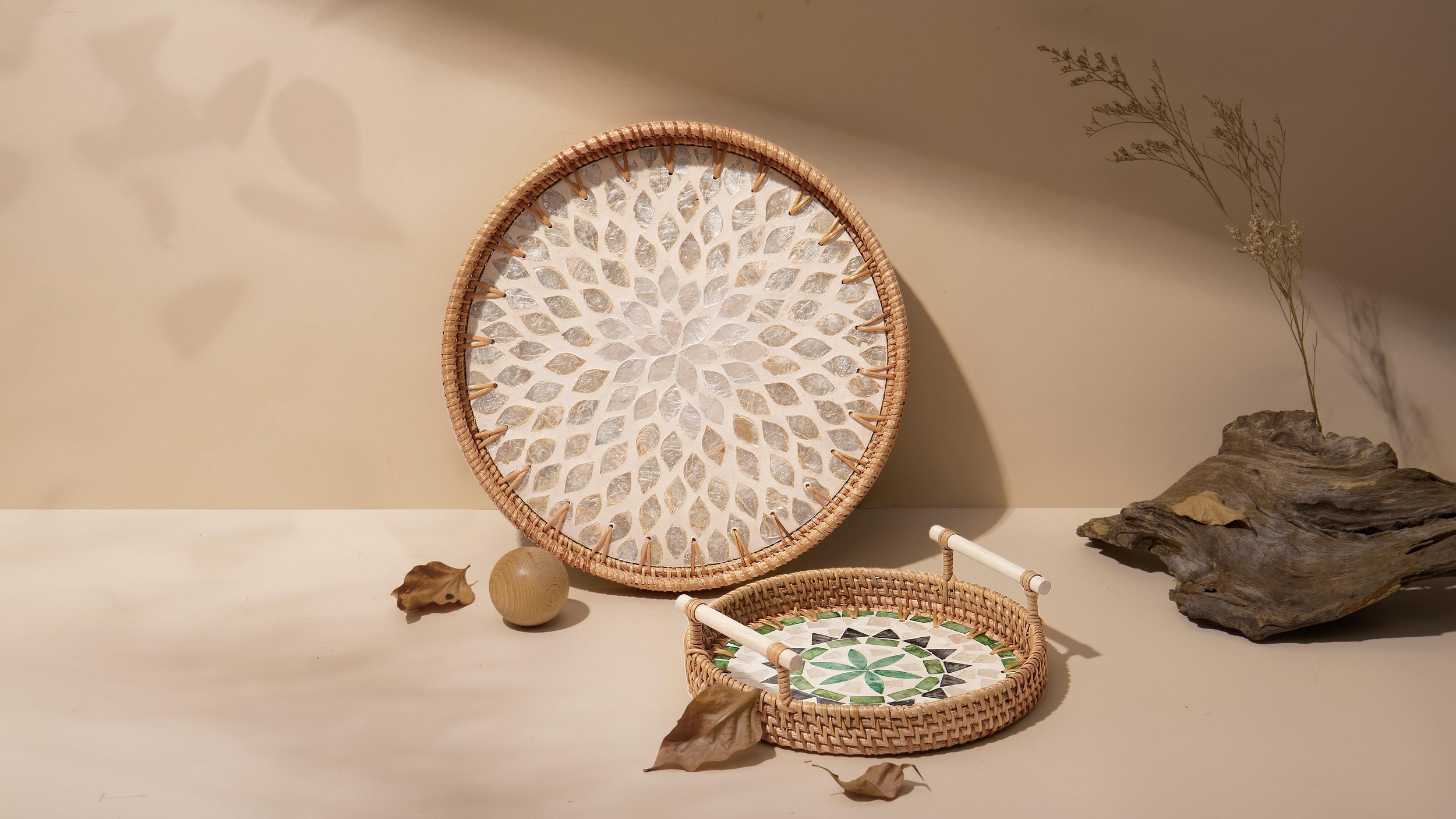
Rattan is one of our favorite natural materials because it is lightweight, durable, and full of character. Its flexibility allows it to be woven into beautiful shapes, while its strength makes it well suited for everyday use.
Its naturally porous structure also makes it especially suitable for sourdough proofing baskets, creating the breathable environment dough needs. Beyond function, we love rattan for its warm tones and organic texture, which add a welcoming feel to any space.
Our rattan is sourced from Southeast Asia, where the climate helps produce strong, resilient canes. We choose natural rattan over plastic alternatives because we value authenticity, craftsmanship, and the unique variations that make each piece special.
Designed for Baking and Home
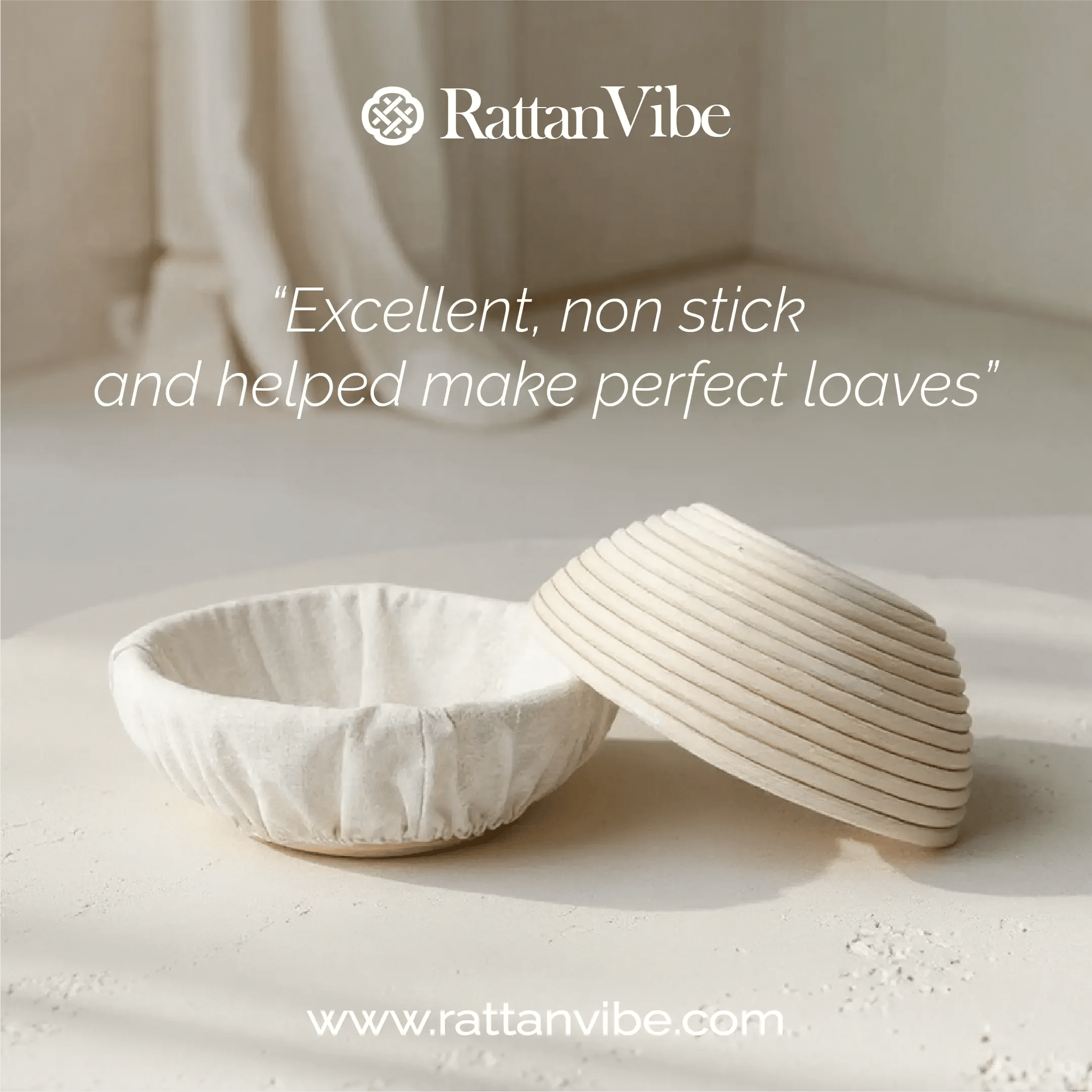
From banneton baskets for sourdough baking to baskets, trays, and decor for the home, our products are made to be both useful and beautiful. We combine traditional rattan craftsmanship with simple, modern design so each piece fits naturally into everyday routines and living spaces.
Handmade by Skilled Artisans
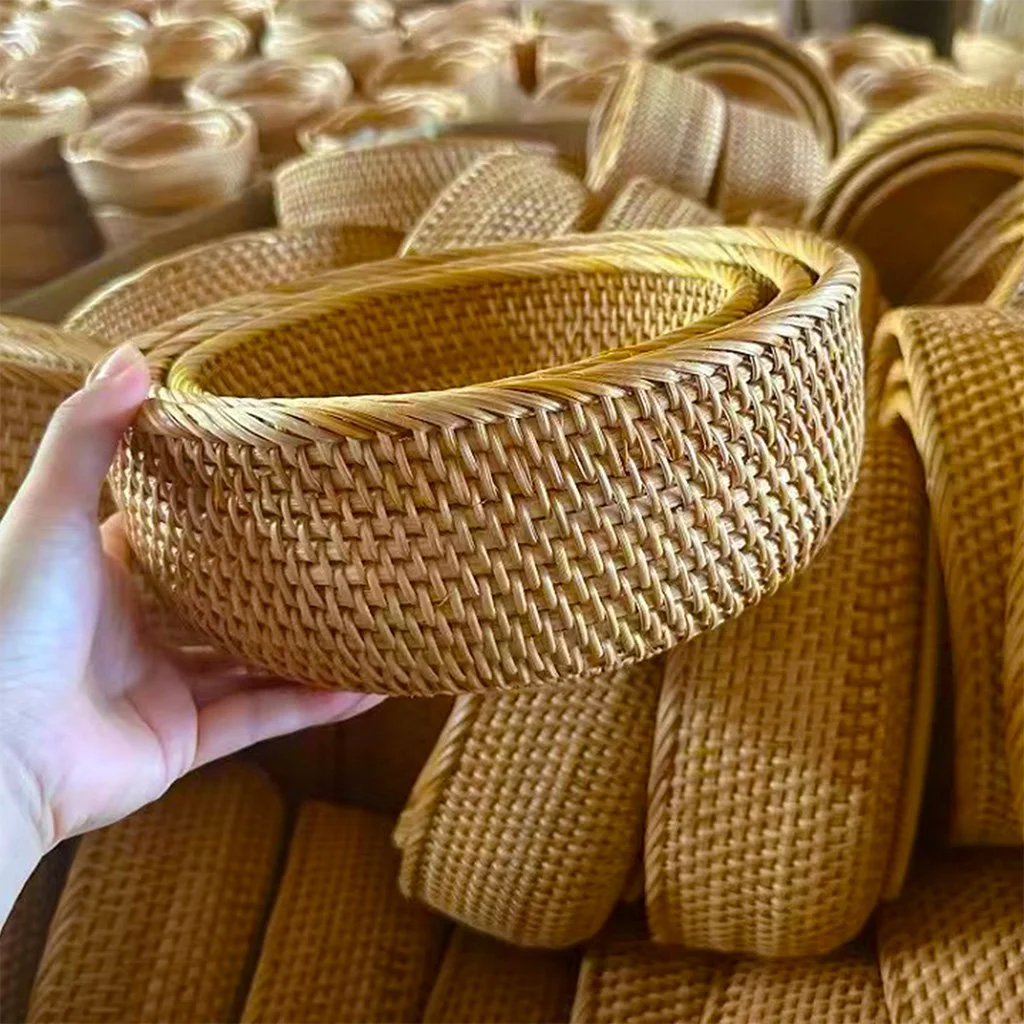
Each product is crafted by experienced artisans who carefully prepare, sand, polish, and weave the rattan by hand. Their knowledge helps bring out the natural beauty of the material while creating pieces designed for daily use.
To support durability, the rattan also undergoes a natural anti-mold process, including high-temperature treatment and careful drying to help control moisture and reduce the risk of cracking or mold.
How to Care for Rattan
For Bannetons (Sourdough Proofing Baskets)
Because bannetons come into direct contact with dough and moisture, keeping them dry and well-dusted is the key to preventing mold and sticking.
- Before First Use:
Lightly mist your new banneton with a little water and dust it generously with rice flour or a 50/50 mix of rice flour and bread flour. Shake out the excess. Over time, this helps build a natural non-stick layer.
- After Each Use:
Do not wash your banneton with water. Leave it in a warm, dry place or a sunny spot until fully dry, then use a stiff bristle brush to gently remove any leftover flour or dried dough.
- Routine Maintenance:
If dough becomes stuck, wait until it is completely dry before removing it carefully with your fingers or a dull tool. Avoid soap or chemical cleaners, as the porous rattan can absorb them and affect future bakes.
- Storage:
Store your banneton in a dry, well-ventilated area. Avoid plastic bags or sealed containers that may trap moisture and lead to mold.
For Other Rattan Baskets and Trays
For baskets used for serving bread, fruit, or everyday home organization, care is simple and focused on keeping them clean and fully dry.
- Everyday Cleaning:
Wipe with a soft, dry cloth or use a vacuum with a brush attachment to remove dust from the woven crevices.
- Deep Cleaning:
If needed, wipe gently with a damp cloth. For tougher marks, use a soft brush with mild soapy water. Never soak or submerge the basket in water.
- Drying:
After wiping with a damp cloth, place the basket in a well-ventilated area or under gentle sunlight until it is completely dry.
- Avoid Extreme Conditions:
Keep rattan away from prolonged harsh sunlight or direct heat sources such as radiators and fireplaces, as excessive heat can dry out the fibers and make them brittle over time.